It's one of the most common questions we hear: "I have some money to invest — should I put it all in now, or spread it out through an SIP?" The honest answer is that both are good tools; they simply solve different problems.
What each one is
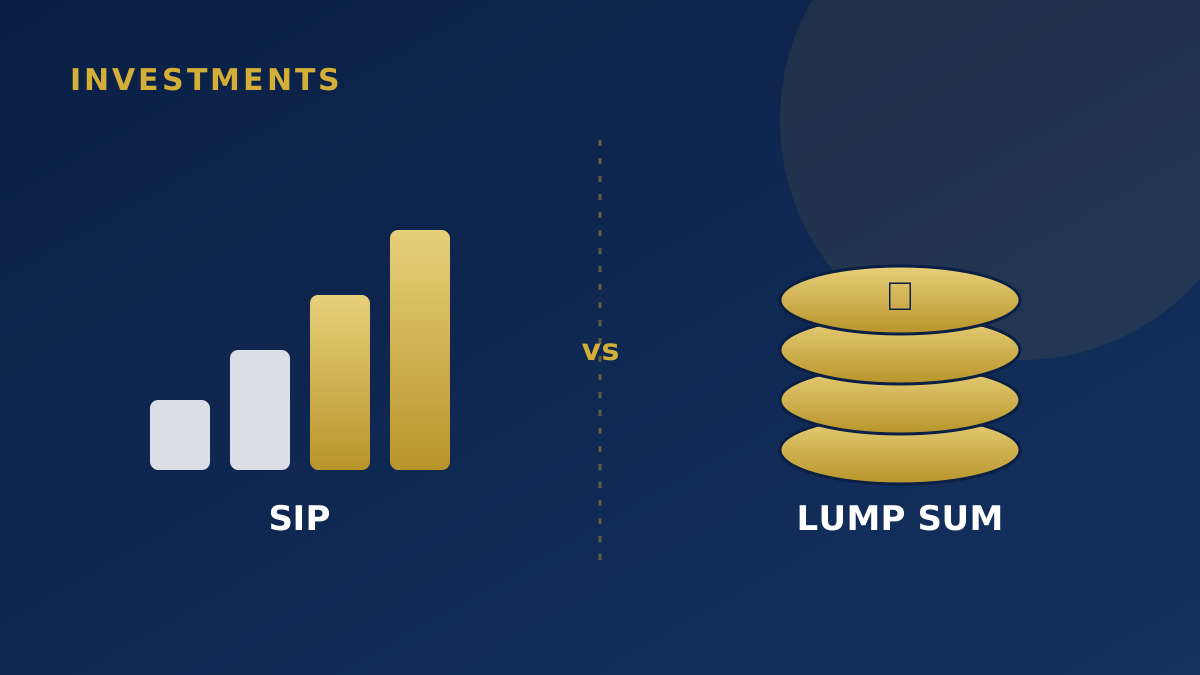
- SIP (Systematic Investment Plan): you invest a fixed amount every month, automatically. Great for salaried earners investing out of monthly income.
- Lump sum: you invest a large amount in one go. Relevant when you receive a bonus, sell an asset, get a maturity payout, or hold idle savings.
The case for SIP
- Rupee-cost averaging. You buy more units when markets are low and fewer when they're high, smoothing out your average cost.
- No timing stress. You never have to guess whether today is a "good day" to invest.
- Builds a habit. Automated, consistent investing is the single biggest driver of long-term wealth.
- Fits your cash flow. It matches how most people actually earn — monthly.
The case for lump sum
- More time in the market. If you already have the money, investing it sooner gives it longer to compound.
- Historically, markets rise more often than they fall — so, on average, lump sum has a slight edge when the horizon is long.
- Simplicity. One decision, done.
The catch: a lump sum invested right before a sharp fall can be painful, and many investors panic and exit at the worst time.
A practical middle path: STP
If you have a large amount but worry about investing it all at a market peak, a Systematic Transfer Plan (STP) is a smart compromise. You park the money in a low-risk liquid fund and move a fixed sum into equity every month — getting averaging benefits without leaving the cash idle.
Rule of thumb: invest monthly income via SIP, and deploy windfalls via lump sum or STP — based on your horizon and comfort with volatility.
So, which should you choose?
| Your situation | Better fit |
|---|---|
| Investing from monthly salary | SIP |
| Received a bonus / windfall, long horizon | Lump sum (or STP) |
| Nervous about market timing | SIP or STP |
| Goal is less than 3 years away | Neither in equity — stay conservative |
The right choice depends on where the money comes from, how long until you need it, and how you personally react to volatility. If you'd like this mapped to your own goals, that's exactly what a planning conversation is for.
Want this applied to your own situation? Book a free, no-obligation consultation and we'll map it to your goals. Get in touch →
This article is general information, not personalised financial advice. Please consult a qualified advisor before acting.